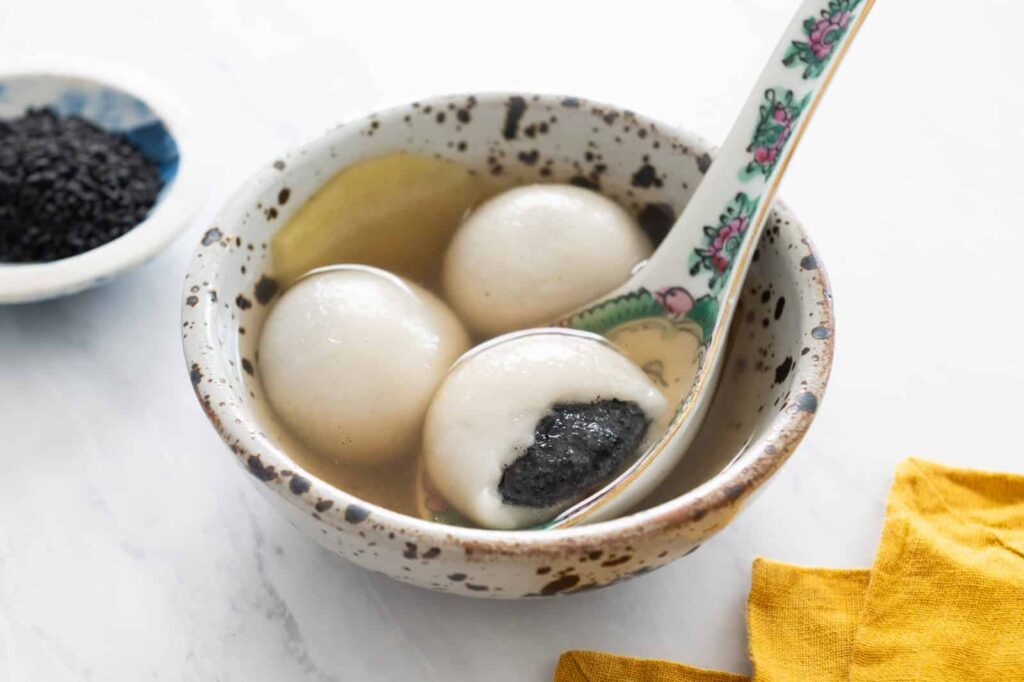
Dreams about desserts often carry messages about pleasure, reward, comfort, and emotional fulfillment. When Asian desserts appear in dreams, the symbolism becomes especially layered, as many of these sweets are closely tied to celebration, family traditions, festivals, and…
Dreams about desserts often carry messages about pleasure, reward, comfort, and emotional fulfillment. When Asian desserts appear in dreams, the symbolism becomes especially layered, as many of these sweets are closely tied to celebration, family traditions, festivals, and wishes for prosperity or harmony. Across Asian cultures, desserts are rarely eaten casually. They mark special moments, express affection, and symbolise sweetness in life. Because of this, dreaming about Asian desserts is usually connected to emotional satisfaction, personal rewards, relationships, and how you experience joy.
The specific dessert you see or eat in the dream matters greatly. Texture, sweetness level, temperature, and the emotional tone of the dream all shape the interpretation. Some desserts symbolise abundance and luck, while others point to nostalgia, emotional healing, or even excess and imbalance. This article explores the meaning behind dreaming of different Asian desserts and what your subconscious may be communicating through these sweet symbols.
Dreaming of Mochi

Dreaming of mochi symbolises emotional bonds, resilience, and togetherness. Because mochi is traditionally made through a communal pounding process, it represents cooperation, shared effort, and family unity. Eating mochi in a dream often reflects strong emotional ties or the desire to strengthen relationships.
Soft, chewy mochi suggests emotional flexibility and comfort. It may appear during times when you feel supported or are seeking closeness. If the mochi feels too sticky or difficult to chew, it can symbolise emotional attachment that feels overwhelming or situations that are hard to let go of. Dreaming of mochi during festive settings often points to happiness, longevity, and wishes for a stable future.
Dreaming of Mooncakes

Mooncakes in dreams are deeply associated with reunion, completeness, and emotional wholeness. Because mooncakes are traditionally shared during family gatherings, dreaming of them often reflects longing for connection or harmony within relationships. This dream may appear when you miss someone, are reflecting on family ties, or are seeking emotional closure.
Eating a rich, satisfying mooncake suggests fulfillment and emotional security. Struggling to finish a mooncake or finding it too heavy may indicate emotional overload or responsibilities that feel excessive. Dreaming of cutting and sharing mooncakes often symbolises reconciliation, forgiveness, or shared joy.
Dreaming of Tang Yuan
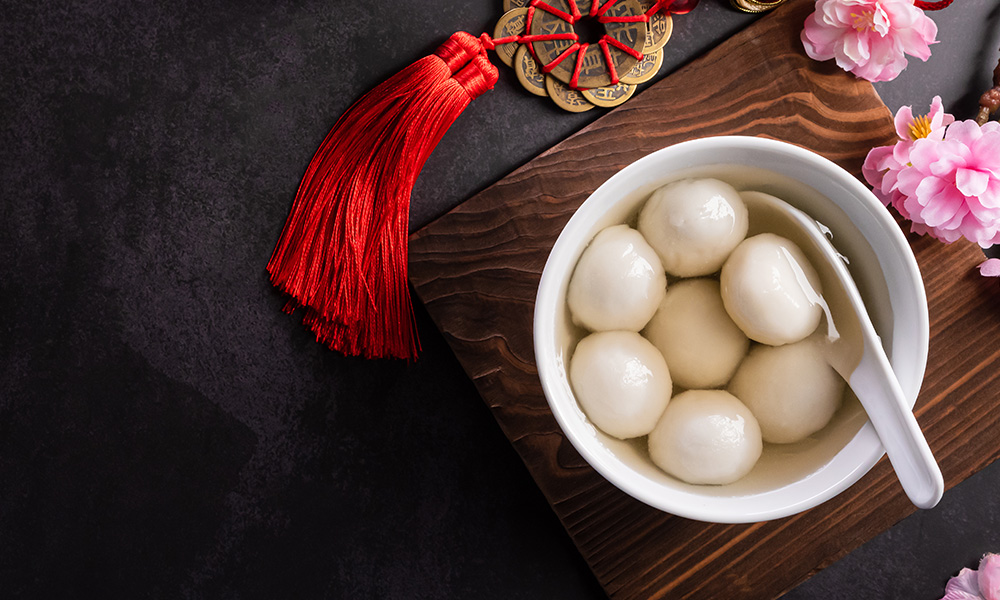
Tang yuan symbolises unity, harmony, and emotional warmth. Dreaming of eating tang yuan often reflects peaceful relationships and a sense of belonging. Because these glutinous rice balls are round, they represent completeness and togetherness, especially within families.
If the tang yuan are smooth and sweet, it suggests emotional comfort and gentle happiness. If they break apart or taste bland, it may indicate emotional distance or the feeling that harmony is fragile. Dreams involving tang yuan often appear during periods when emotional reassurance or family support is especially important.
Dreaming of Kuih and Traditional Southeast Asian Desserts
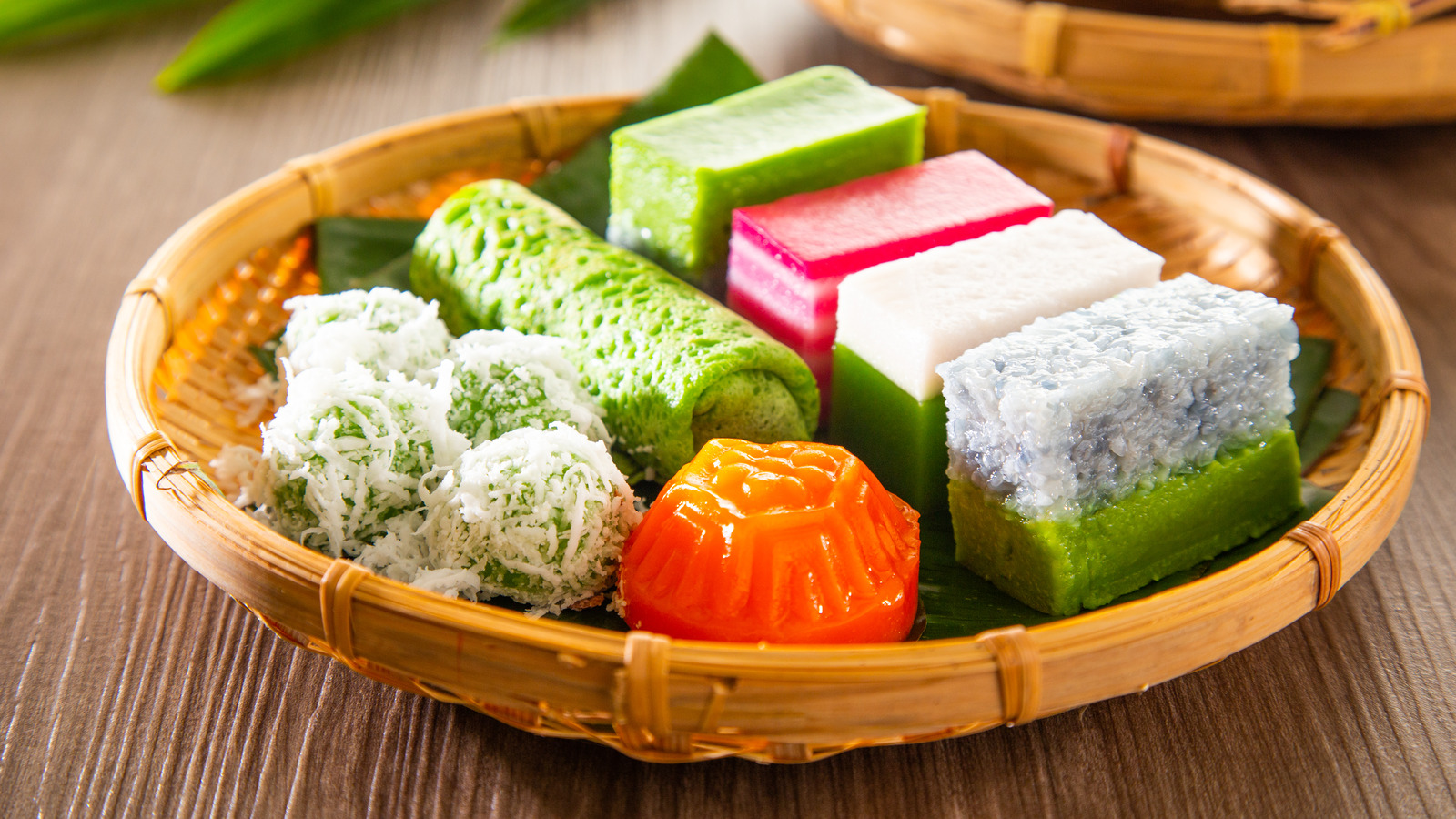
Dreaming of kuih reflects nostalgia, cultural identity, and emotional grounding. These colourful, bite-sized desserts often symbolise childhood memories, home, and comfort. If you dream of eating kuih, your subconscious may be revisiting simpler times or seeking emotional reassurance.
Layered kuih such as kuih lapis symbolize patience and personal growth, suggesting that progress comes in stages. Sticky or coconut-based kuih often represent emotional richness and warmth. Dreams of sharing kuih indicate generosity and close-knit social bonds, while dreams of stale or spoiled kuih may point to neglected emotional needs or fading connections.
Dreaming of Bingsu or Shaved Ice Desserts

Shaved ice desserts like bingsu symbolise emotional cooling, relief, and release. Dreaming of eating bingsu often appears when you are seeking emotional calm or a break from stress. The cold temperature reflects the desire to soothe intense feelings or regain composure.
If the bingsu feels refreshing and enjoyable, it suggests emotional balance and recovery. If it melts too quickly or feels unsatisfying, it may symbolise fleeting comfort or temporary relief that does not address deeper issues. Toppings such as fruit or condensed milk represent added joys or small pleasures that brighten difficult periods.
Dreaming of Red Bean Desserts

Red bean desserts symbolise sincerity, emotional depth, and quiet affection. Dreaming of eating red bean-based sweets often reflects gentle emotions, unspoken feelings, or enduring relationships. Because red beans are commonly used in traditional desserts, they also represent tradition and emotional continuity.
Sweet, smooth red bean paste suggests emotional comfort and contentment. Bitter or gritty textures may reflect unresolved emotions or subtle disappointments. Red bean dessert dreams often appear when emotions are understated but meaningful.
Dreaming of Egg Tarts

Egg tarts in dreams symbolise balance, routine pleasure, and everyday happiness. They often reflect simple joys and small rewards in life. Dreaming of eating an egg tart suggests appreciation for stability and familiar comforts.
A warm, perfectly baked egg tart indicates satisfaction and emotional steadiness. A burnt or broken tart may symbolise disappointment in something that was expected to bring comfort. Egg tart dreams frequently appear during periods when you are learning to value modest pleasures rather than grand achievements.
Dreaming of Gulab Jamun or Milk-Based Sweets


Milk-based desserts symbolise nurturing, affection, and emotional indulgence. Dreaming of syrup-soaked sweets like gulab jamun often reflects deep emotional satisfaction or the desire to be cared for. These dreams may appear when you crave reassurance, intimacy, or emotional warmth.
If the sweetness feels overwhelming, it may indicate emotional excess or dependence. Balanced sweetness suggests joy and celebration, often linked to personal milestones or positive emotional developments.
Dreaming of Mango Sticky Rice

Mango sticky rice symbolises harmony between pleasure and effort. The combination of ripe fruit and chewy rice reflects the balance between reward and patience. Dreaming of this dessert suggests that your efforts are aligning with enjoyable outcomes.
If the dessert tastes perfect, it indicates satisfaction and emotional fulfillment. If the rice feels undercooked or the mango unripe, it may reflect impatience or the sense that rewards are not fully ready yet. These dreams often appear when you are working toward a goal and anticipating enjoyment.
Dreaming of Traditional Festival Desserts
Dreaming of desserts associated with festivals often reflects anticipation, hope, and transition. These dreams usually appear during times of change, signaling new beginnings or emotional milestones. Festival desserts symbolise abundance, gratitude, and shared joy.
If the dream atmosphere feels celebratory, it suggests optimism and emotional openness. If the dessert appears but the celebration feels empty, it may reflect longing or emotional disconnect.
What Asian Dessert Dreams Reveal About Your Emotional State
Dreams about Asian desserts are rarely about food alone. They reflect how you experience joy, comfort, and emotional reward. Light, refreshing desserts often symbolise relief and healing, while rich, heavy sweets point to indulgence, celebration, or emotional overload. Traditional desserts connect strongly to memory, culture, and relationships.
The key to interpretation lies in how the dessert made you feel. Satisfaction suggests emotional alignment, while discomfort points to imbalance. These dreams often encourage you to reflect on whether you are allowing yourself enough joy or relying too heavily on comfort as escape.
Conclusion: Sweet Dreams as Messages of Fulfillment
Asian desserts appear in dreams because they symbolise sweetness in life, emotional nourishment, and shared happiness. Rooted in tradition and celebration, they allow the subconscious to express desire, gratitude, nostalgia, and emotional needs in a gentle, familiar way.
By paying attention to the type of dessert and the emotions surrounding it, you gain insight into how fulfilled, connected, or comforted you feel in waking life. These dreams remind you that joy matters and that emotional nourishment is just as important as responsibility.
FAQ: The Meaning of Different Asian Desserts in Dreams
What does it mean to dream about Asian desserts?
Dreaming about Asian desserts often symbolizes joy, emotional comfort, and the sweetness of life. In dream interpretation, sweets frequently represent pleasure, reward, or satisfaction after effort, reflecting the mind’s desire for enjoyment and positive experiences.
Why do desserts appear in dreams?
Desserts appear in dreams because they are strongly associated with celebration, indulgence, and emotional fulfillment. The subconscious may use dessert imagery to express a need for happiness, rest, or appreciation after a stressful period.
What does dreaming about mochi or rice cakes mean?
Mochi or rice cake dreams often symbolize celebration, tradition, and family connection. Because rice desserts are commonly served during festivals and gatherings in many Asian cultures, these dreams may reflect feelings of belonging, cultural identity, or upcoming joyful events.
What does it mean to dream about bubble tea desserts or sweet drinks?
Dreaming about sweet drinks or dessert beverages can symbolize social enjoyment and friendship. These dreams may reflect a desire for connection, relaxation, or lighthearted moments with people around you.
What does dreaming about mango sticky rice symbolize?
Mango sticky rice in dreams often represents balance and fulfillment. The combination of fruit and sweet rice may symbolize harmony between effort and reward, suggesting that something positive may follow hard work or patience.
What does dreaming about red bean desserts mean?
Red bean desserts in dreams can symbolize comfort, nostalgia, and emotional warmth. Because red bean sweets are commonly associated with traditional desserts and home-style cooking, the dream may reflect memories, family ties, or emotional reassurance.
What does dreaming about eating too many sweets mean?
Eating excessive sweets in a dream can indicate a tension between enjoyment and overindulgence. It may suggest that you are seeking pleasure or reward but may also be worried about going too far or losing balance in certain areas of life.
What if the dessert tastes bad or spoiled in the dream?
If the dessert tastes unpleasant or spoiled, the dream may reflect disappointment or unmet expectations. Something that was supposed to bring happiness or comfort may not be fulfilling you as expected.
Are dessert dreams usually positive?
In many interpretations, dessert dreams are considered positive symbols because they are linked with joy, celebration, and emotional satisfaction. However, the exact meaning still depends on the dream’s context and the emotions you experienced while dreaming.
How can I interpret my own dessert dream more accurately?
To understand a dessert dream, consider three key elements: the type of dessert, who you were with in the dream, and how you felt while eating it. These details help reveal whether the dream reflects happiness, nostalgia, emotional comfort, or the desire for greater balance in your life.
Disclaimer: The interpretations shared in this article are intended for informational and entertainment purposes only. Dreams are deeply personal and can be influenced by individual experiences, emotions, and cultural background. While we aim to provide thoughtful insights, the meanings may not apply to everyone. If your dreams are causing ongoing distress or affecting your well-being, consider speaking with a qualified professional for further guidance.
About our interpretations
Decode Your Dream publishes reflective dream interpretations that distinguish personal symbolism, cultural traditions and research-based sleep information. Dream meanings are presented as prompts for reflection, not fixed predictions. Read our methodology and sources.