Korean cuisine carries rich emotional associations because many dishes are tied to warmth, resilience, communal eating, and comfort.
Food dreams are rarely just about hunger. More often, they reflect emotional needs, memories, comfort, identity, desire, stress, relationships, or the way we are emotionally processing daily life. When Korean food appears in dreams specifically, the symbolism can become surprisingly layered because Korean cuisine itself is deeply tied to warmth, sharing, nostalgia, resilience, celebration, and emotional connection.
Dreaming about eating Korean food can symbolize emotional nourishment, longing for comfort, social connection, personal healing, ambition, emotional intensity, or even burnout, depending on the dish and the emotional tone of the dream. The meaning often changes according to whether the meal feels comforting, overwhelming, celebratory, lonely, chaotic, or satisfying.
Interestingly, people who dream about Korean food are not always avid fans of Korean cuisine. Sometimes the dream appears simply because Korean dishes have become emotionally recognizable symbols through travel, cultural exposure, dramas, family memories, friendships, or social media. The subconscious mind tends to borrow emotionally vivid imagery, and Korean food is often associated with warmth, communal eating, emotional honesty, and comfort after hardship.
The details matter. Eating hot tteokbokki alone in the rain carries a very different emotional atmosphere from sharing samgyeopsal with friends at a noisy restaurant. Dreams communicate through feeling as much as symbolism.
Why Food Dreams Feel So Emotionally Personal
Food is deeply connected to emotional memory. Certain meals immediately evoke comfort, childhood, belonging, celebration, heartbreak, healing, or loneliness. Dreams often use food to represent what the mind feels emotionally hungry for.
Korean cuisine is especially symbolic because many dishes revolve around shared experiences. Korean barbecue, stews, banchan spreads, street food stalls, and late-night meals are not just about eating. They are about gathering, connection, routine, affection, and emotional release.
Dreams involving Korean food often appear during periods where people are craving comfort, emotional grounding, belonging, or relief from stress. Sometimes the dream reflects nostalgia. Other times, it reflects emotional exhaustion and the desire to feel cared for.
The specific dish becomes important because each food carries different emotional associations.
Dreaming About Eating Kimchi
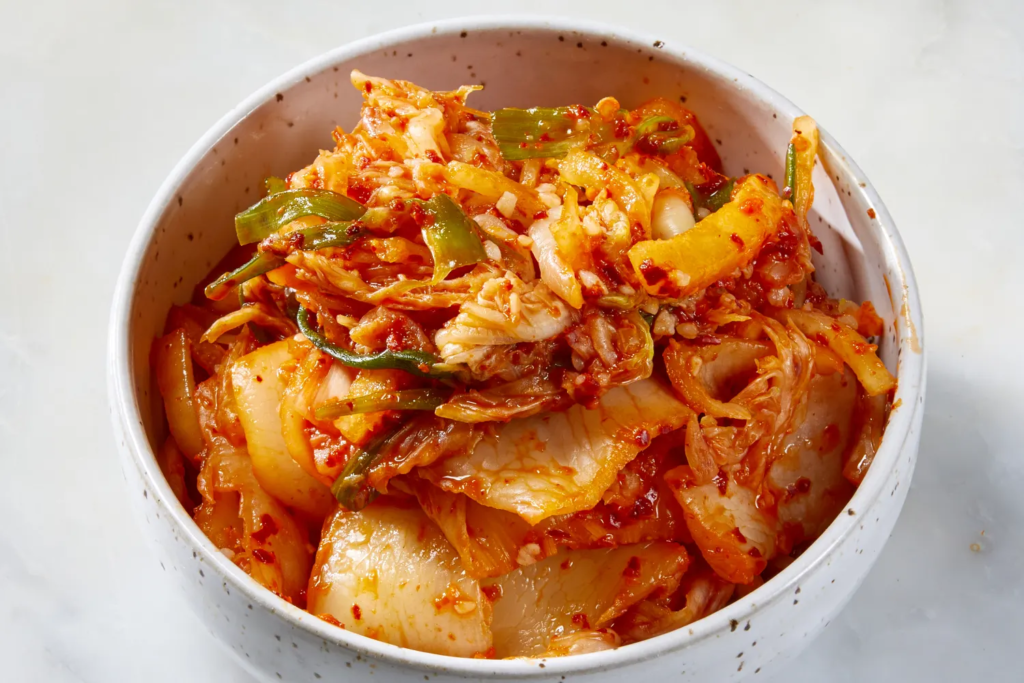
Kimchi dreams often symbolize emotional resilience, adaptation, and bottled emotions slowly surfacing over time.
Kimchi is fermented, aged, intense, and deeply tied to patience and preservation. In dreams, it can represent emotions or experiences that have been quietly developing beneath the surface for a long time. Sometimes the dream suggests unresolved feelings that are finally becoming harder to ignore.
Eating kimchi in a dream may also reflect emotional toughness. You may be enduring a stressful period while trying to remain strong outwardly. The sharpness and spice of kimchi can symbolize emotional intensity, irritation, honesty, or pent-up frustration.
At the same time, kimchi is also a comfort food for many people. If the dream feels warm or nostalgic, it may point toward a desire for familiarity, home, stability, or emotional grounding.
Dreaming About Eating Tteokbokki
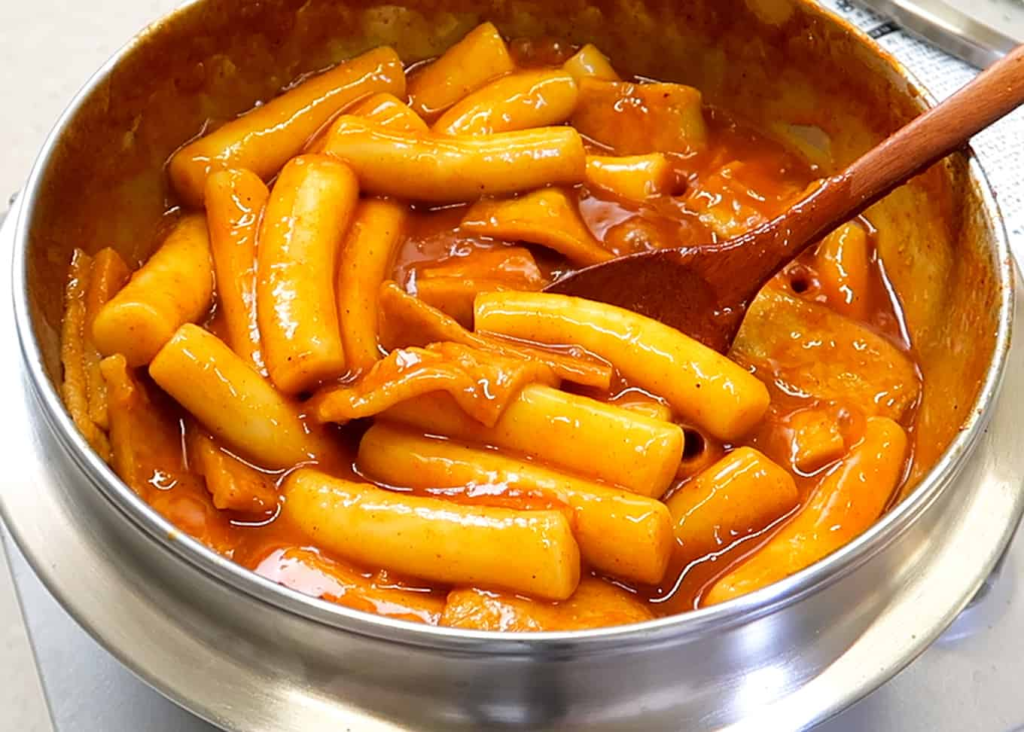
Tteokbokki dreams are often connected to emotional craving, impulsiveness, passion, comfort-seeking, or stress relief.
There is something emotionally chaotic about tteokbokki. It is spicy, messy, addictive, comforting, and overwhelming all at once. Dreams involving tteokbokki frequently appear during emotionally intense periods where life feels exciting but exhausting at the same time.
If you are happily eating tteokbokki in the dream, it may symbolize emotional indulgence or the desire to escape pressure temporarily. You may be craving excitement, pleasure, spontaneity, or comfort in waking life.
However, if the tteokbokki feels unbearably spicy or stressful to eat, the dream may reflect emotional overwhelm. You may feel like you are taking on more emotional intensity than you can comfortably handle.
These dreams sometimes appear during dramatic life periods involving relationship tension, social chaos, work pressure, or emotional burnout.
Dreaming About Korean Barbecue (Samgyeopsal or Galbi)
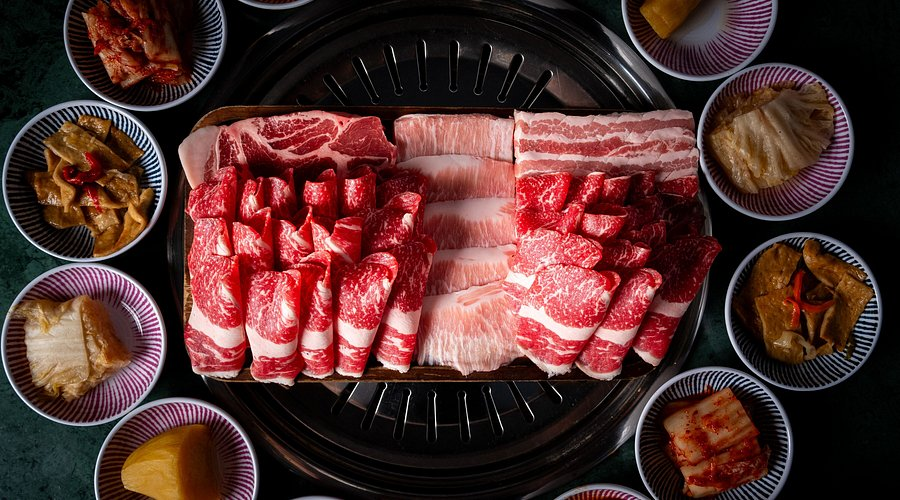
Dreams about Korean barbecue are heavily connected to relationships, social connection, emotional support, and shared experiences.
Because Korean barbecue is usually eaten communally, these dreams often reflect your feelings about the people around you. The atmosphere matters greatly. A joyful barbecue gathering may symbolize emotional closeness, belonging, celebration, or support from loved ones.
On the other hand, an awkward or tense barbecue scene may reflect social discomfort, unresolved tension, loneliness within relationships, or the feeling that emotional connection is becoming strained.
Cooking meat together in dreams can also symbolize emotional effort within relationships. You may be actively trying to maintain harmony, strengthen bonds, or “keep things warm” emotionally.
If the barbecue in the dream feels abundant and satisfying, it may reflect emotional fulfillment and stability. If the meat burns, runs out, or never cooks properly, the dream may symbolize frustration, emotional neglect, or exhaustion from trying to maintain connections.
Dreaming About Eating Ramyeon
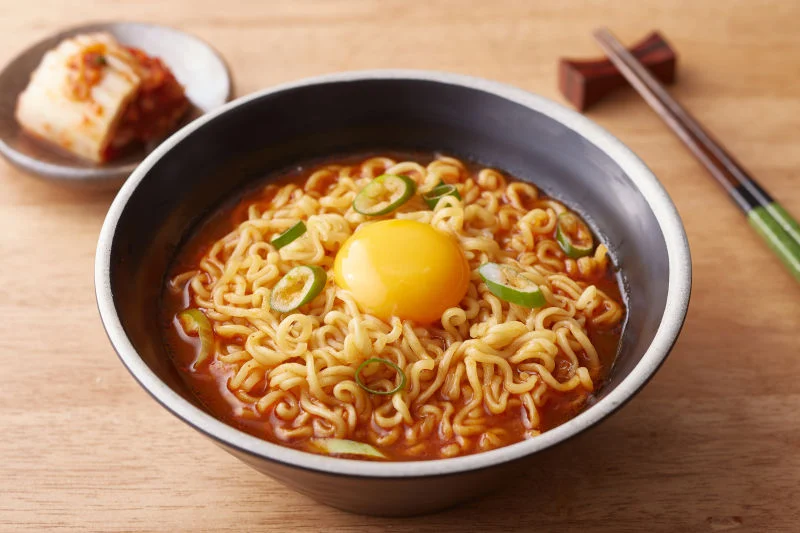
Ramyeon dreams are surprisingly common during stressful periods.
Instant noodles in dreams often symbolize emotional survival mode, exhaustion, loneliness, or the need for quick comfort. Ramyeon carries strong associations with late nights, emotional vulnerability, financial struggle, student life, heartbreak, or burnout.
If you dream of quietly eating ramyeon alone, the dream may reflect emotional fatigue or the need to comfort yourself privately. There is often a sense of emotional isolation within these dreams, even when the atmosphere feels cozy.
However, ramyeon dreams are not always negative. Sometimes they symbolize simplicity, emotional honesty, or the comfort of familiar routines during difficult times. The dream may suggest that you are emotionally trying to stabilize yourself with small comforts.
Sharing ramyeon with someone in a dream can symbolize intimacy, emotional openness, or mutual understanding.
Dreaming About Bibimbap

Bibimbap dreams often symbolize balance, integration, personal growth, or the challenge of managing many parts of life at once.
Bibimbap combines many separate ingredients into one cohesive dish. In dreams, it can reflect the subconscious attempt to bring together conflicting emotions, responsibilities, identities, or experiences.
If the bibimbap looks vibrant and satisfying, the dream may symbolize emotional harmony or personal growth. You may slowly be learning how to balance work, relationships, identity, goals, and emotional needs more effectively.
If the ingredients feel messy, scattered, or unpleasant, the dream may reflect emotional overwhelm or difficulty managing competing responsibilities.
Bibimbap dreams frequently appear during transitional life stages where people are trying to reconcile different versions of themselves or adapt to changing priorities.
Dreaming About Korean Fried Chicken
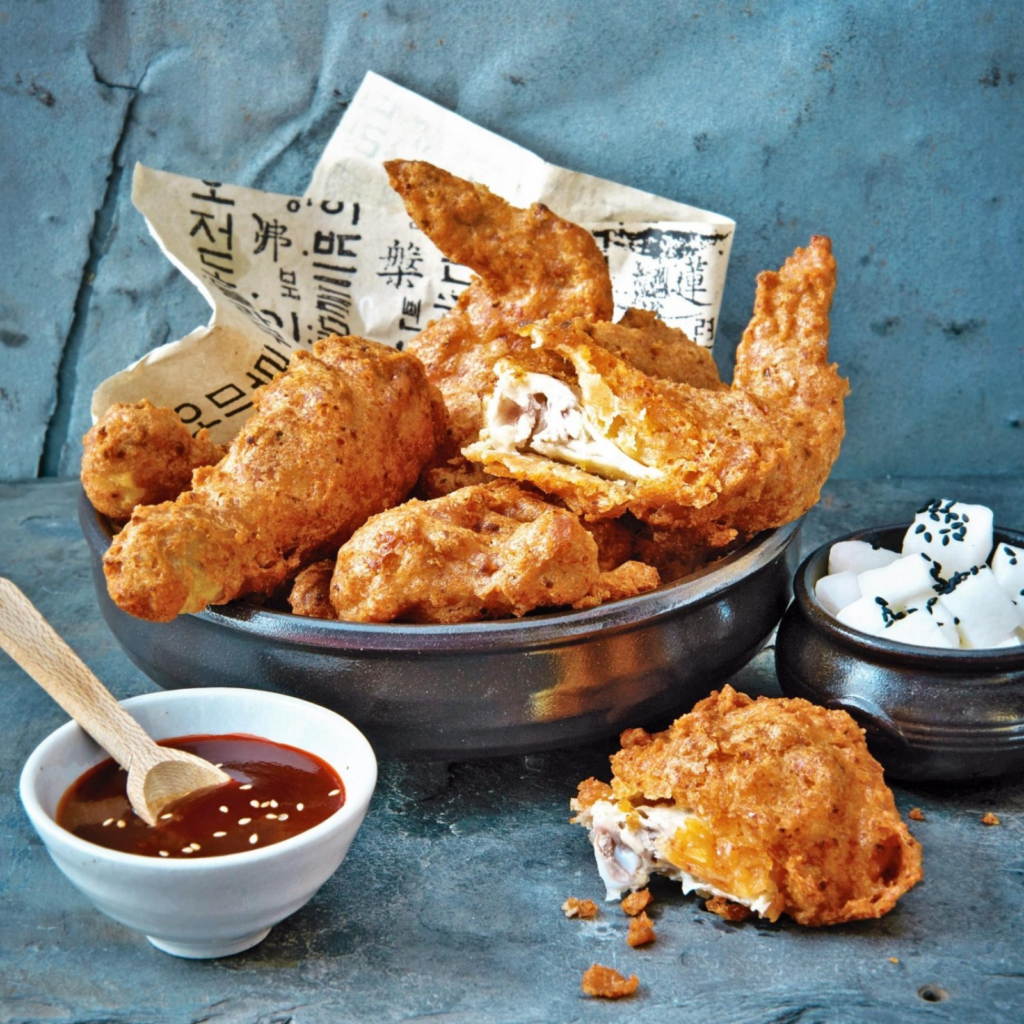
Dreams involving Korean fried chicken are often tied to reward, celebration, emotional release, and temporary escape from stress.
Fried chicken is strongly associated with social gatherings, late-night conversations, celebrations, and comfort. Dreaming about enjoying it may symbolize a desire for relaxation, freedom, companionship, or emotional relief after pressure.
These dreams commonly appear after long periods of hard work or emotional strain. The subconscious may simply be craving enjoyment and release.
If the meal feels excessive or uncontrollable, however, the dream may point toward emotional overindulgence or avoidance. You may be distracting yourself from stress instead of confronting deeper emotional issues.
The emotional tone matters more than the food itself.
Dreaming About Eating Japchae
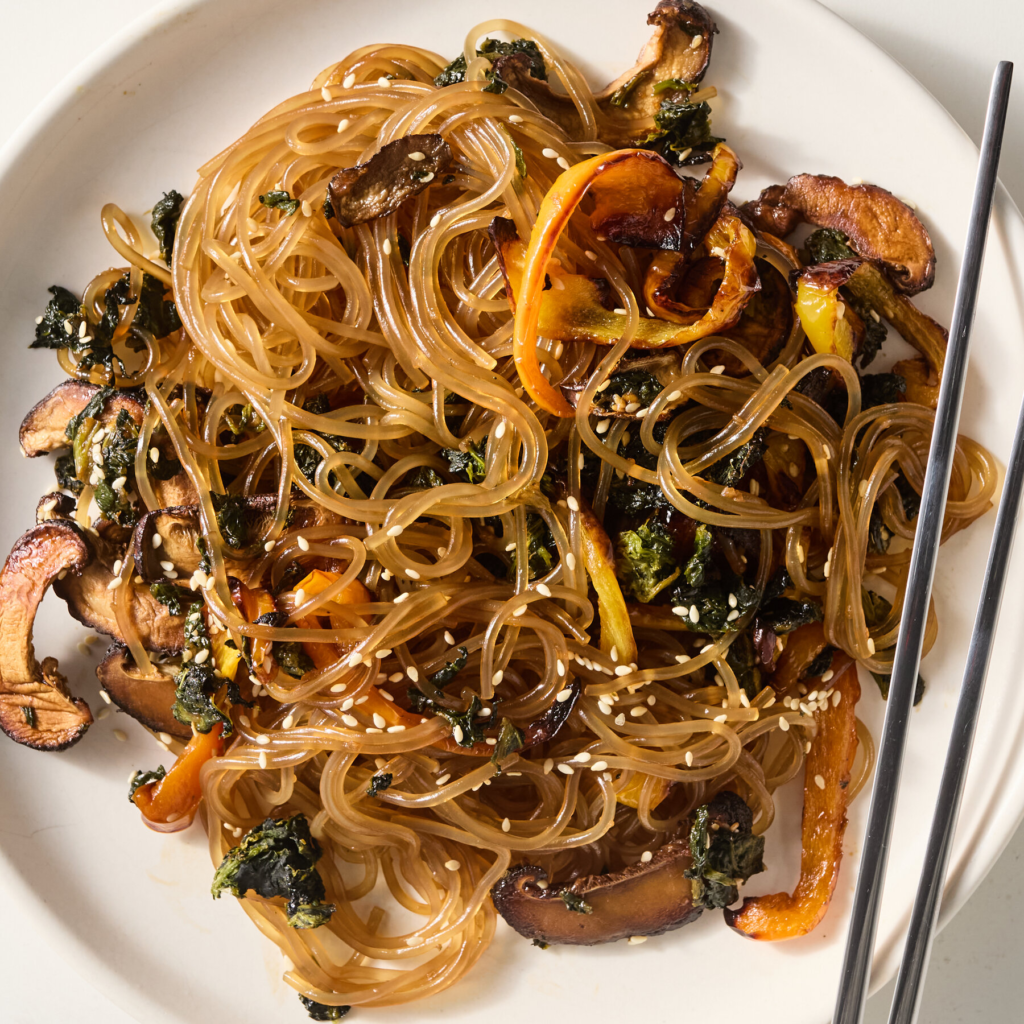
Japchae dreams are often linked to celebration, nostalgia, family memories, and emotional reflection.
Because japchae frequently appears during birthdays, holidays, gatherings, and special occasions, dreams involving it can symbolize longing for connection, tradition, or emotional warmth from the past.
These dreams sometimes emerge when people feel emotionally disconnected from family, home, or meaningful relationships. The subconscious may be revisiting feelings associated with comfort, belonging, and shared memory.
If the dream atmosphere feels peaceful, japchae may symbolize emotional gratitude or healing. If the dream feels bittersweet, it may reflect nostalgia or unresolved longing.
Dreaming About Eating Kimchi Jjigae
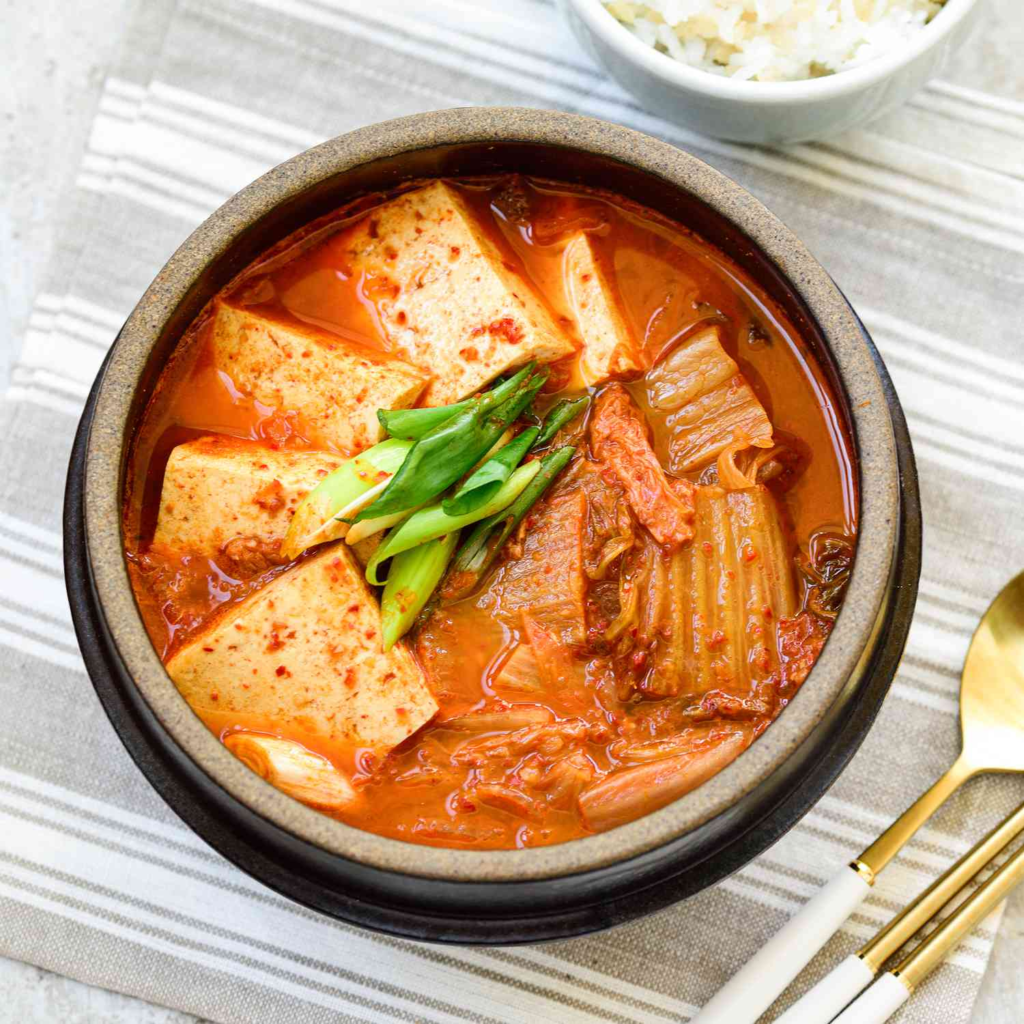
Kimchi jjigae dreams often symbolize emotional honesty and the need for emotional warmth during difficult periods.
Stews in dreams are usually associated with emotional healing because they are warm, slow-cooked, and comforting. Kimchi jjigae specifically combines emotional intensity with comfort, which makes it a particularly layered symbol.
These dreams frequently appear during emotionally draining periods where people are trying to process anger, sadness, frustration, or exhaustion while still seeking comfort and stability.
If the stew feels satisfying and nourishing, the dream may symbolize resilience and emotional recovery. If it boils over, spills, or tastes unpleasant, the dream may suggest emotional overwhelm or suppressed frustration reaching a breaking point.
Dreaming About Korean Street Food
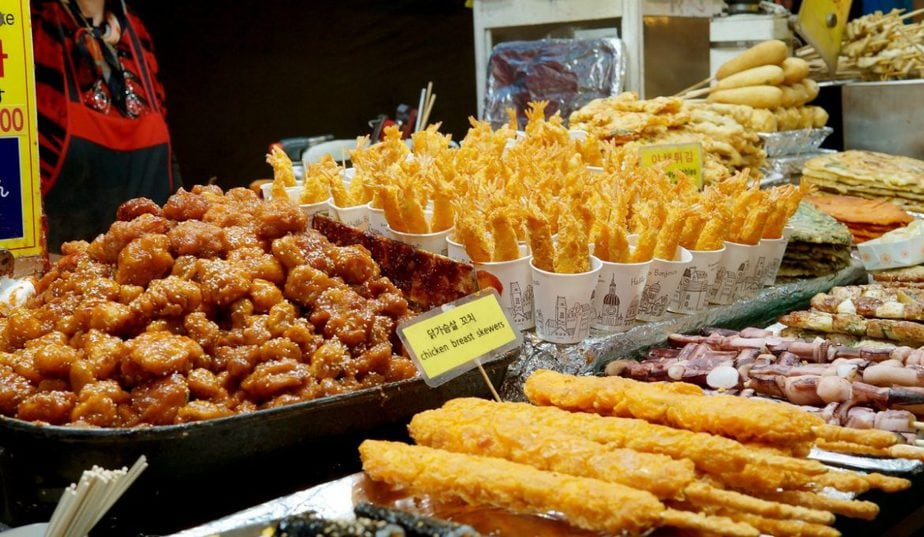
Street food dreams often symbolize spontaneity, youthfulness, emotional freedom, curiosity, or the desire to escape routine.
Dreaming about wandering through Korean night markets eating hotteok, fish cakes, corn dogs, or skewers may reflect a craving for excitement, novelty, emotional freedom, or temporary escape from daily responsibilities.
These dreams are often emotionally lighter than other food dreams. They may appear during periods where life feels overly structured, repetitive, or emotionally draining.
The dream may not necessarily carry deep emotional warning signs. Sometimes the subconscious simply longs for pleasure, movement, unpredictability, and joy.
Emotional Context Matters More Than the Food
Dream interpretation is rarely literal. The same dish can carry very different meanings depending on the atmosphere of the dream.
Eating samgyeopsal alone in silence feels emotionally different from eating it joyfully with loved ones. Warm kimchi jjigae during a snowstorm carries a different emotional tone from cold leftover stew in an empty room.
The feelings attached to the dream matter more than rigid symbolic definitions.
Comfort often points toward emotional healing or longing. Chaos may reflect overwhelm. Hunger can symbolize emotional emptiness or unmet needs. Shared meals often relate to relationships and belonging.
The subconscious mind communicates through emotional association rather than fixed rules.
Why Korean Food Dreams Have Become More Common
As Korean culture has become more globally familiar through travel, dramas, films, music, and social media, Korean cuisine has also become emotionally recognizable to many people outside Korea.
Certain dishes now carry universal emotional associations. Ramyeon may symbolize loneliness or comfort because of how often it appears in emotionally vulnerable scenes in dramas. Korean barbecue may symbolize friendship and bonding. Tteokbokki may evoke youthful chaos or comfort.
Dreams naturally absorb cultural imagery that feels emotionally vivid. Korean food has increasingly become part of that emotional visual language.
FAQ About Korean Food Dreams
What does it mean to dream about eating Korean food?
Dreaming about Korean food often relates to emotional nourishment, comfort, relationships, nostalgia, stress relief, or personal healing. The meaning depends heavily on the specific dish and emotional atmosphere of the dream.
Is dreaming about spicy Korean food a bad sign?
Not necessarily. Spicy foods in dreams can symbolize emotional intensity, passion, stress, impulsiveness, or emotional overwhelm. The interpretation depends on whether the dream feels enjoyable or distressing.
Why do I dream about ramyeon when stressed?
Ramyeon is strongly associated with emotional comfort, survival mode, exhaustion, and solitude. Dreams involving ramyeon commonly appear during periods of stress, burnout, loneliness, or emotional fatigue.
What does Korean barbecue symbolize in dreams?
Korean barbecue dreams usually relate to relationships, emotional connection, community, and shared experiences. The atmosphere of the gathering often reflects your feelings about social or emotional bonds in waking life.
What does kimchi symbolize in dreams?
Kimchi often symbolizes emotional resilience, bottled emotions, adaptation, patience, or emotional intensity. It may also represent nostalgia or the desire for familiarity and comfort.
Why do food dreams feel so emotional?
Food is deeply connected to memory, comfort, identity, and emotional experience. Dreams use food symbolism because it easily communicates emotional needs, stress, relationships, and psychological states.
Final Thoughts
Dreams about eating Korean food are often less about the food itself and more about the emotional experiences surrounding it. Comfort, loneliness, celebration, nostalgia, stress, connection, and emotional exhaustion can all appear symbolically through meals in dreams.
Korean cuisine carries especially rich emotional associations because so many dishes are tied to warmth, resilience, communal eating, and emotional comfort. The subconscious mind naturally uses these images to express feelings that may be difficult to articulate directly.
Sometimes these dreams simply reflect craving, memory, or cultural influence. Other times, they quietly reveal emotional needs that have gone unnoticed in waking life. A bowl of ramyeon, a table full of barbecue, or a steaming pot of kimchi jjigae can become symbolic reflections of how emotionally nourished, connected, overwhelmed, or comforted you truly feel beneath the surface.
About our interpretations
Decode Your Dream publishes reflective dream interpretations that distinguish personal symbolism, cultural traditions and research-based sleep information. Dream meanings are presented as prompts for reflection, not fixed predictions. Read our methodology and sources.