
Food is one of the most common symbols to appear in dreams, cutting across cultures, ages, and personal backgrounds. People dream about eating elaborate feasts, searching for food, cooking meals, sharing dishes with loved ones, or feeling unsatisfied despite being surrounded by abundance. These dreams can feel incredibly vivid and emotionally charged, often lingering long after waking. The reason food appears so frequently in dreams lies in its deep connection to survival, emotion, memory, culture, and identity.
Food is not just fuel for the body. It represents comfort, care, pleasure, guilt, desire, deprivation, celebration, and connection. Because eating is one of the most basic human experiences, the subconscious mind uses food as a powerful language to communicate emotional needs, unmet desires, and internal states. When food appears in dreams, it is rarely about hunger alone. Instead, it often reflects how nourished—or deprived—you feel in life, emotionally, mentally, or spiritually.
Understanding why food appears so often in dreams requires looking at both biological instincts and psychological symbolism, as well as the role culture and memory play in shaping dream imagery.
Food as a Symbol of Emotional Nourishment

One of the main reasons food appears frequently in dreams is its symbolic link to emotional nourishment. Just as food sustains the body, emotional support sustains the mind. When you dream about eating, craving, or searching for food, your subconscious may be highlighting unmet emotional needs. These dreams often surface during periods of stress, loneliness, burnout, or emotional transition.
Dreaming of comforting foods such as soup, noodles, rice dishes, or home-cooked meals often reflects a desire for safety, reassurance, or familiarity. The dreamer may be craving warmth, stability, or care, especially if life feels uncertain or overwhelming. Conversely, dreaming of tasteless or unsatisfying food can symbolise emotional emptiness or disappointment, suggesting that something in your waking life is failing to meet your deeper needs.
When food tastes especially delicious in a dream, it often indicates emotional fulfillment, pleasure, or satisfaction. The dream may be reinforcing that you are receiving enough emotional “nutrition” or that you are finally allowing yourself to enjoy life more fully.
The Survival Instinct and the Dreaming Brain
Food also appears frequently in dreams because it is tied to one of the brain’s most ancient survival mechanisms. Even though modern life has reduced food scarcity for many people, the brain still treats food as a critical resource. During sleep, the subconscious mind revisits fundamental survival themes, and food naturally becomes part of that process.
Dreams about scarcity, such as not having enough food or being unable to eat, may reflect anxiety, insecurity, or fear of loss. These dreams are especially common during financial stress, career uncertainty, or major life changes. The mind uses food as a stand-in for safety and stability. When food is abundant in a dream, it may signal a sense of security or optimism. When food is missing or inaccessible, it may reveal worries about whether your needs will continue to be met.
Physical hunger can also influence dream content. Going to bed hungry or dieting intensely can increase food-related dreams. However, even in these cases, the emotional tone of the dream often goes beyond physical appetite, blending bodily signals with psychological meaning.
Food and Memory Are Deeply Connected
Food has a unique ability to trigger memory. Smells, tastes, and textures are closely linked to the brain’s emotional and memory centers. Because of this, food frequently appears in dreams as a gateway to past experiences, relationships, or unresolved emotions.
Dreaming about foods from childhood often signals nostalgia or the desire to reconnect with simpler times. These dreams may appear when adult responsibilities feel heavy or when the dreamer is longing for comfort and familiarity. Traditional or cultural foods in dreams often reflect identity, belonging, and family ties. They may surface during times when the dreamer is questioning their roots, values, or sense of home.
Food dreams can also resurrect memories associated with specific people. Dreaming of cooking or eating a dish associated with someone from your past may indicate unresolved feelings, longing, or the emotional impact that person still has on you.
Food as a Symbol of Desire and Pleasure

Another reason food appears so often in dreams is its association with pleasure and desire. Eating is one of the most socially acceptable forms of indulgence, and the subconscious frequently uses food imagery to explore desire in a safe, symbolic way.
Dreams about rich, indulgent foods such as desserts, fried foods, or lavish feasts may reflect suppressed desires or guilt around pleasure. These dreams often occur when someone is restricting themselves in waking life, whether emotionally, physically, or socially. The dream becomes a space where desire can be expressed freely.
In some cases, food in dreams can act as a substitute symbol for other cravings, such as intimacy, excitement, or creative fulfillment. The emotional reaction during the dream is key. Pleasure suggests acceptance of desire, while guilt or discomfort may point to internal conflict.
Food as a Reflection of Control and Boundaries
Food dreams frequently reflect issues of control, boundaries, and self-regulation. Because eating involves choice, restraint, and balance, it becomes a natural symbol for how a person manages control in their life.
Dreams about overeating may reflect overwhelm, lack of boundaries, or emotional excess. The dreamer may feel they are taking on too much or being pulled in too many directions. Dreams about being forced to eat can symbolise pressure, obligation, or feeling controlled by others.
On the other hand, dreams about refusing food or being unable to eat may indicate resistance, self-denial, or emotional shutdown. These dreams often appear during periods of stress, depression, or when the dreamer feels disconnected from their needs.
Social Connection and Shared Meals in Dreams
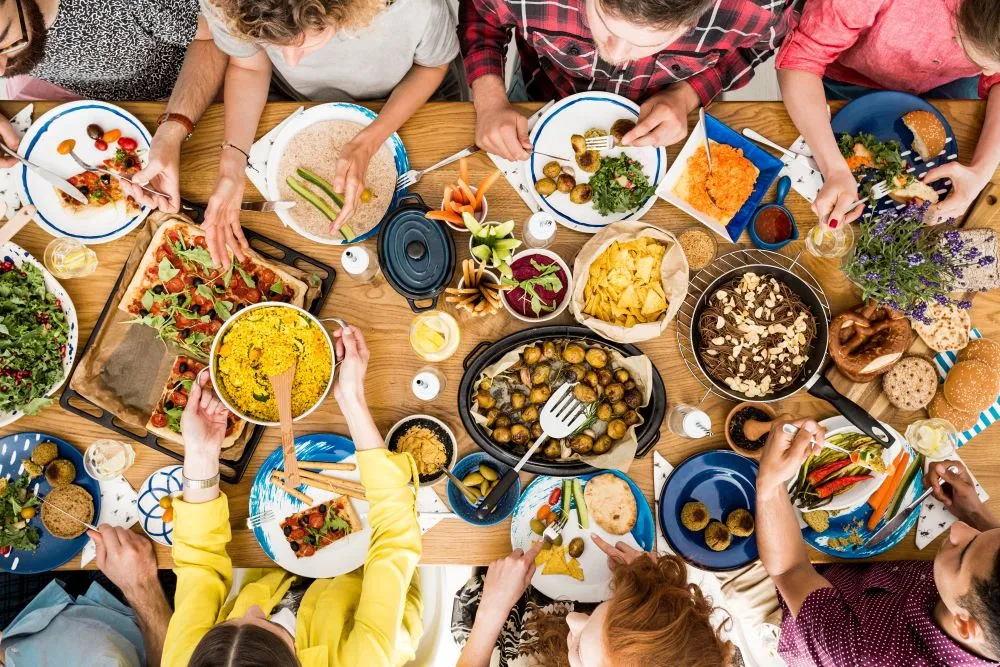
Eating is rarely a solitary act in human culture. Shared meals symbolise connection, trust, and belonging, which is why dreams about eating with others are so common. These dreams often reflect the dreamer’s social and relational state.
Dreaming of joyful shared meals suggests harmony, support, and emotional closeness. Tense or awkward meals may reflect unresolved conflict or emotional distance in relationships. Eating alone in dreams can symbolise independence, self-reflection, or loneliness, depending on the emotional tone.
Food dreams involving family gatherings often appear during transitions, such as moving, marriage, or changes in family dynamics. They may reflect the dreamer’s desire for unity or fear of disconnection.
Cultural and Symbolic Meanings of Food
Food symbolism varies across cultures, which also explains why food appears so often in dreams. The subconscious mind draws from cultural meaning to communicate messages efficiently. Rice may symbolise stability and life in some cultures, while bread may represent sustenance and faith in others. Noodles may represent longevity, while sweets may symbolise celebration or indulgence.
Because food carries shared cultural meaning, it allows dreams to communicate complex emotional ideas quickly. The dreamer’s personal and cultural relationship with food heavily influences interpretation. A dish that feels comforting to one person may feel overwhelming or unpleasant to another.
Stress, Anxiety, and Food Dreams
Periods of stress significantly increase food-related dreams. When the mind is under pressure, it often returns to basic themes of comfort and survival. Food becomes a mental shorthand for relief and reassurance.
Dreams about searching for food may reflect anxiety about meeting expectations or fulfilling responsibilities. Dreams about food going bad may symbolize missed opportunities or fear of loss. These dreams are not predictive but reflective, showing how the dreamer is processing stress internally.
Food dreams can also increase during major life transitions, such as starting a new job, ending a relationship, or moving to a new place. During these times, the subconscious seeks stability and reassurance through familiar symbols.
Food Dreams and the Need for Balance
One of the most important messages behind frequent food dreams is the need for balance. Food represents nourishment, but too much or too little of it in dreams often reflects imbalance in waking life.
Dreams about abundance may encourage gratitude and enjoyment, while dreams about scarcity may signal the need to address emotional or physical neglect. The dream may be asking whether you are giving yourself enough rest, care, connection, and fulfillment.
Food dreams often act as emotional check-ins, asking whether your current lifestyle is sustainable and nourishing on a deeper level.
Why Food Is One of the Subconscious Mind’s Favourite Symbols
Food appears so often in dreams because it is universal, emotionally charged, culturally rich, and biologically essential. It allows the subconscious to communicate complex ideas about need, desire, comfort, fear, and connection in a way that feels immediate and personal.
Unlike abstract symbols, food is something everyone understands instinctively. This makes it an ideal language for the dreaming mind. Whether the dream involves hunger, abundance, pleasure, or dissatisfaction, food imagery offers insight into how you are experiencing life beneath the surface.
What to Learn From Repeated Food Dreams
Repeated food dreams often signal recurring emotional patterns. They may indicate that certain needs are not being addressed or that the dreamer is ignoring internal signals. Paying attention to these dreams can offer valuable insight into emotional well-being.
Instead of interpreting food dreams literally, it is more helpful to reflect on how the dream made you feel. Satisfaction, anxiety, joy, guilt, or frustration all provide clues to what the dream is trying to communicate.
Food dreams invite you to ask whether your life feels nourishing, balanced, and fulfilling. They encourage awareness, self-care, and emotional honesty.
Conclusion: Food Dreams as Messages of the Inner Self
Food appears so often in dreams because it sits at the intersection of survival, emotion, memory, culture, and desire. These dreams are rarely about hunger alone. They are reflections of how you feed your emotional world, manage desire, seek comfort, and navigate connection.
By paying attention to food dreams, you gain insight into your deeper needs and emotional rhythms. These dreams are gentle reminders from the subconscious, asking you to nourish not just your body, but your mind and spirit as well.
Disclaimer: The interpretations shared in this article are intended for informational and entertainment purposes only. Dreams are deeply personal and can be influenced by individual experiences, emotions, and cultural background. While we aim to provide thoughtful insights, the meanings may not apply to everyone. If your dreams are causing ongoing distress or affecting your well-being, consider speaking with a qualified professional for further guidance.