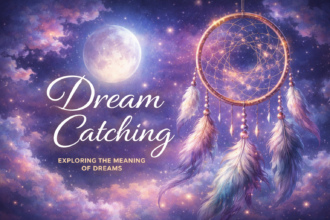
Dreams have always fascinated the public, but when celebrities speak about their dreams, those visions often take on deeper cultural and symbolic meaning. Across Asia, dreams are not viewed as random subconscious images. They are often treated as messages, omens, reflections of destiny, or mirrors of inner truth. When Asian celebrities share dreams that occurred before major career breakthroughs, personal transformations, or emotional turning points, fans and cultural observers alike interpret them as signs of fate, perseverance, or spiritual alignment.
Many well-known Asian celebrities have spoken openly about vivid dreams that left strong impressions on them. These dreams are frequently discussed in interviews, memoirs, and variety shows, especially in cultures where dreams are believed to foreshadow change or reveal hidden guidance. Looking at these famous dreams through a symbolic lens helps explain why they resonated so deeply and what they may have revealed about the dreamers’ paths.
BTS V and Dreams of the Stage

V of BTS (Kim Taehyun) has shared in interviews that he once dreamed of standing on a massive stage, looking out at an endless sea of people cheering his name long before global fame became reality. In dream symbolism, stages represent self-expression, recognition, and stepping into one’s purpose. Crowds often symbolise validation and collective energy rather than ego alone.
This dream reflected more than ambition. It suggested an inner certainty about being seen and heard, even before external confirmation existed. From an interpretive perspective rooted in Asian dream beliefs, such a dream signals destiny aligning with effort. The clarity and emotional intensity of the dream likely reinforced his resolve during difficult trainee years, acting as an inner promise that perseverance would lead somewhere meaningful.
IU and Dreams of Loneliness and Light

IU has spoken about dreams in which she was alone in a vast, empty space, followed by a sudden appearance of light or sound. In dream interpretation, emptiness often symbolises emotional isolation, self-reflection, or the feeling of being unseen. Light, on the other hand, represents clarity, hope, and spiritual reassurance.
These dreams are often associated with artists who carry emotional sensitivity. Symbolically, such dreams suggest periods of solitude that precede growth. Rather than predicting loneliness as a permanent state, the appearance of light points toward emotional resilience and the ability to transform vulnerability into creative strength. In Asian cultural contexts, this type of dream is often interpreted as a sign that hardship is part of the journey, not the destination.
Gong Yoo and Dreams of Transition
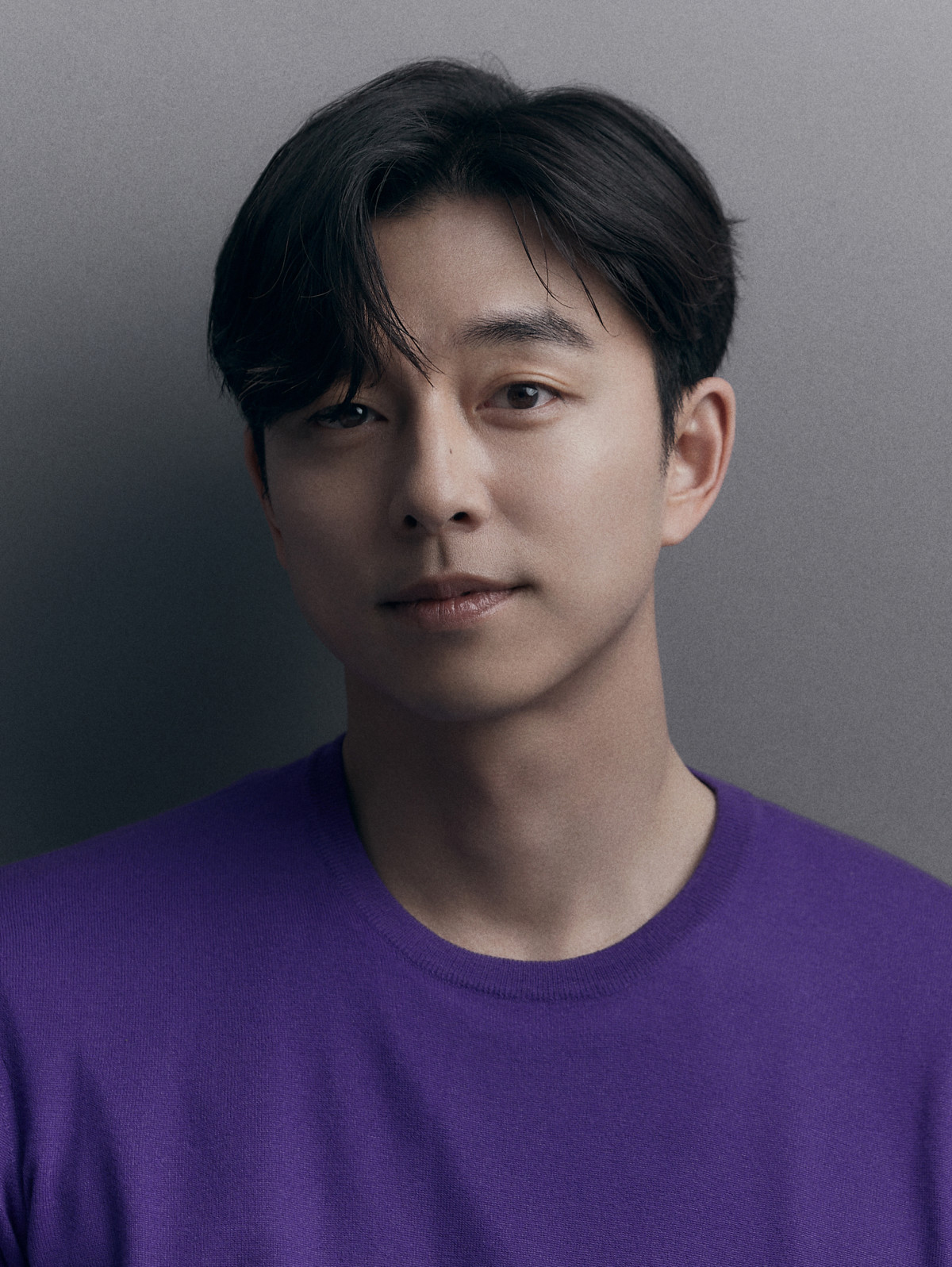
Gong Yoo has mentioned experiencing vivid dreams during career crossroads, particularly dreams involving travel, movement, or standing at crossroads. Roads, trains, and transitional spaces in dreams symbolise life direction and decision-making. In many Asian interpretations, dreaming of travel before major change suggests readiness rather than fear.
Such dreams reflect internal preparation for transformation. Instead of being warnings, they act as psychological and spiritual confirmations that change is necessary. For actors navigating long careers, these dreams often appear when one chapter is closing and another is ready to begin.
Jay Chou and Dreams of Music
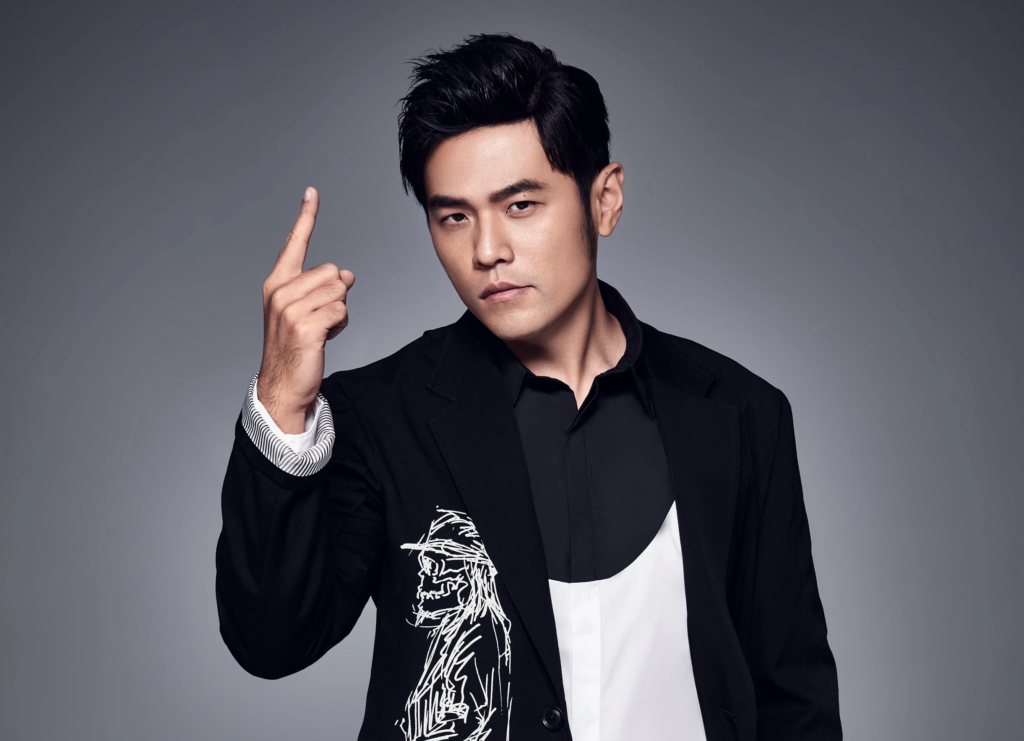
Jay Chou has described dreams in which melodies appeared vividly, sometimes fully formed, during sleep. Dreams involving music are especially significant in Asian dream symbolism. Sound represents communication from the subconscious or even inspiration from beyond the conscious mind.
Such dreams are often interpreted as alignment between talent and purpose. In traditional belief systems, creative dreams are sometimes seen as gifts rather than inventions, suggesting that the dreamer is channeling something already meant for them. These dreams often occur when the mind is relaxed and open, allowing creativity to surface without constraint.
Suzy and Dreams of Falling

Suzy has shared recurring dreams of falling during stressful periods early in her career. Falling dreams are among the most common worldwide, but in Asian dream interpretation, they are often linked to fear of losing balance, status, or emotional grounding rather than literal failure.
These dreams frequently appear when someone is under intense pressure or rapid change. Symbolically, they reflect the fear of not meeting expectations, especially in environments where public scrutiny is high. The repetition of such dreams often fades once emotional stability and confidence are restored, suggesting they serve as emotional release valves rather than predictions of downfall.
Jackie Chan and Dreams of Danger

Jackie Chan has mentioned dreams involving dangerous stunts or near-miss accidents. In dream symbolism, danger does not always represent fear. It often reflects risk-taking, courage, and confrontation with limits. For performers known for physical intensity, such dreams may mirror the constant negotiation between ambition and safety.
In Asian interpretations, dreaming of surviving danger often symbolizes resilience and protection. These dreams can be seen as reminders to remain mindful while continuing to pursue bold paths. They are not warnings to stop, but signals to respect one’s limits.
Zhang Ziyi and Dreams of Repetition

Zhang Ziyi has spoken about recurring dreams where she repeats the same scene or movement. Repetitive dreams often symbolize perfectionism, unresolved pressure, or the feeling of being stuck in expectation. In Asian cultural contexts, repetition in dreams can reflect discipline, duty, and the weight of responsibility.
Such dreams are common among high-achieving individuals. They often suggest that the dreamer is internalising external expectations. Interpretation focuses less on escape and more on balance, encouraging rest and emotional release rather than endless self-demand.
Why Celebrity Dreams Resonate So Strongly in Asian Culture
Celebrity dreams capture public imagination because they reinforce deeply held beliefs about destiny, effort, and alignment. When a famous figure dreams of success before achieving it, the story fits cultural narratives that value perseverance guided by unseen forces. These dreams are not viewed as magical shortcuts, but as inner confirmations that hard work is aligned with fate.
Asian cultures often emphasise harmony between intention and timing. Dreams are seen as part of this harmony, offering emotional or spiritual feedback rather than guarantees. When celebrities share their dreams, they normalise vulnerability and reinforce the idea that uncertainty and hope coexist on the path to success.
Common Themes Across Asian Celebrity Dreams
Across many accounts, recurring themes emerge. Dreams of stages, light, travel, falling, repetition, and sound appear repeatedly. Symbolically, these themes revolve around identity, transformation, pressure, and purpose. Rather than predicting exact outcomes, the dreams reflect emotional readiness and inner conflict.
In Asian dream interpretation, the emotional tone of the dream matters more than literal imagery. A fearful dream may signal growth approaching, while a peaceful one may confirm alignment. This perspective explains why even unsettling dreams are taken seriously rather than dismissed.
Conclusion: Dreams as Mirrors of Destiny and Inner Truth
Asian celebrities’ famous dreams continue to fascinate because they align with long-standing cultural beliefs that dreams reveal more than imagination. These dreams act as mirrors, reflecting inner struggles, aspirations, and moments of transformation. Whether involving success, fear, solitude, or creativity, they often appear before significant life changes.
Rather than serving as predictions, these dreams function as emotional and spiritual checkpoints. They reveal readiness, tension, hope, or imbalance. In cultures that value awareness and harmony, listening to dreams becomes a way of listening to oneself.
Ultimately, these celebrity dreams resonate not because the dreamers are famous, but because their dreams echo universal human experiences of doubt, ambition, and becoming.
Disclaimer: The interpretations shared in this article are intended for informational and entertainment purposes only. Dreams are deeply personal and can be influenced by individual experiences, emotions, and cultural background. While we aim to provide thoughtful insights, the meanings may not apply to everyone. If your dreams are causing ongoing distress or affecting your well-being, consider speaking with a qualified professional for further guidance.